
 By
·
4 minute read
How Industrial Construction Staffing Solutions Help Overcome Skilled Labor Shortages
Ask a plant manager what worries them most right now and you probably won’t hear about prices or supply chains. You’ll hear about people. Specifically, welders, pipefitters, and electricians who can pass a test and show up on Monday. Fewer of them exist than a few years ago, and the good ones get snapped up fast, often by bigger projects offering fatter paychecks. A delayed outage can burn through a month’s budget before lunch. So owners are looking outside their own walls, and many land on Industrial Construction Staffing Solutions partners who already know where the capable crews are hiding and how to vet them quickly. In the sections ahead, I’ll explain why the shortage has dragged on, what an outside partner actually handles, which jobs benefit most, how to keep crews from walking, and what to ask before you sign anything. In this blog, we will discuss how to keep your schedule intact when skilled hands are scarce.
Why Good Tradespeople Keep Getting Harder to Find
Most trades get passed down, a bit like family recipes. A foreman teaches a young hand, that hand teaches the next, and for decades the chain held. Now it’s fraying. A big wave of the old guard is hanging up their boots, and nobody’s lining up to replace them at the same speed. Part of that is perception. Plenty of parents still push their kids toward a campus, and plenty of teenagers have never met a pipefitter. The work has an image problem too. Loud, dusty, outdoor jobs in every kind of weather don’t look glamorous online, and that reputation is slow to shake. Part of it is time. You can’t become a trusted high pressure welder in one semester, since it takes years of practice and certification. And then there’s the tug of war for talent. Data centers, power upgrades, and reopened factories all want the same few trades, and many of those jobs offer long, steady work. Compare that to a three week plant outage. A journeyman who picks the longer, better paid gig isn’t being disloyal, just practical. Smaller scheduled jobs end up waiting.
What a Partner Really Does Day to Day
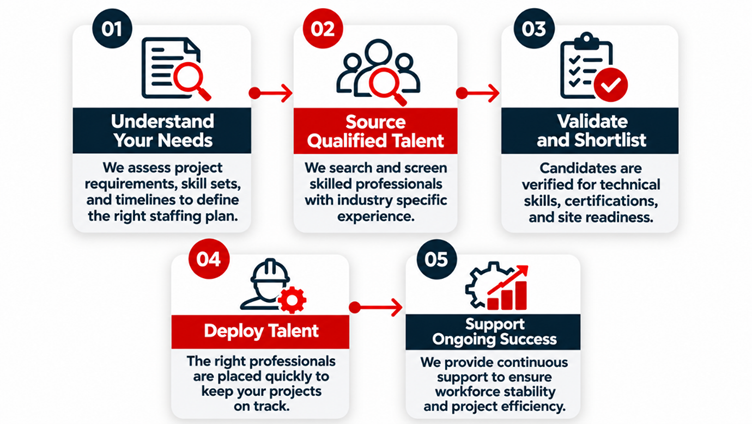
Industrial Staffing Services recruiters work this market constantly, so they usually know who finished a job last Friday and who’s quietly browsing. Their first chore is the boring one: checking cards, test records, and safety tickets, then calling past supervisors. Skipping that step is how companies end up with a “welder” who can’t weld. A good recruiter will also drop a shaky candidate before you ever spend an hour on an interview, which is a favor most hiring managers never get to receive. Next comes speed. If you need a dozen bodies for a short outage, a partner with a ready bench can often get them to site in days, which beats the months a normal ad cycle takes. You can also try before you commit. Bring someone on for a project, watch how they work, then decide about a permanent spot. Meanwhile, payroll and insurance paperwork sit with them. One more thing I like is that candidates are blunt with recruiters. They’ll say a rate is too low, or a site’s reputation is rough, and that honest feedback is gold.
Jobs Where This Kind of Help Shines
- Short outages and turnarounds: a few intense weeks, then everyone goes home.
- Brand new plants: dozens of trades needed on the same morning.
- Faraway sites: little local talent, long drives, camp lodging.
- Rare tickets: pressure welders, boilermakers, and certified riggers rarely answer ordinary ads.
- Sudden breakdowns: when a critical unit fails, nobody has weeks to run a hiring process.
- Shaky work pipelines: when next year’s schedule is a guess, borrowing crews beats carrying permanent ones.
Keeping a Crew Once You’ve Got One
Landing a crew is half the battle. Holding on to it is the other half, and it’s mostly about everyday decency. Tradespeople compare notes constantly, in trucks, at lunch, in group chats, so a site that pays per diem late or reshuffles shifts every other day earns a reputation fast. Good partners will warn you before that happens. They’ll say your rate sits a little low, or that the camp lodging is driving folks home on weekends. Many also set up mentoring, where a seasoned journeyman works beside a newer worker. It’s a lovely side effect, because shortcuts and tricks that never made it into a manual get passed on before the veterans retire. Small gestures count too, like a hot meal on a cold night shift or a supervisor who bothers to learn names. Safety matters just as much. People stay where they feel looked after, and leave, sometimes mid-job, where they don’t. Do this well and you’ll spot familiar faces at the next outage. Sometimes one even asks about a permanent badge.
Closing Advice for Owners Ready to Hire Help
Begin with a plain question: have you done work like mine? A refinery outage isn’t a food plant expansion, so ask for examples that look like your job. Then ask how they verify certifications, how fast they can replace someone who isn’t working out, and who handles injury reporting and drug screening. Ask, too, how they handle the worst case, like a no-show on day one or a crew member who gets hurt. The way a partner answers tells you plenty. Meet the recruiters who’d actually work your account, not just whoever sold you the deal. If they let you call a past customer, do it, because ten minutes on the phone beats any brochure. Be a little wary of promises that every role can be filled tomorrow. The best welders and electricians are scarce for everybody, and an honest partner will say so. Tell them your dates, budget, and safety expectations upfront, then schedule a quick review after the first project. The shortage won’t vanish soon. Owners who build good partnerships now will spend a lot less time scrambling later.
Frequently Asked Questions
1. Why does it take so long to replace retiring tradespeople?
Apprenticeships and certifications take years, and young people choose other careers. Experienced hands leave faster than trained replacements arrive, leaving projects short of capable crews.
2. Can I try someone first and keep them later?
Yes, many partners offer trial placements. You watch the work on a real project, then decide on a permanent role. Confirm conversion terms in writing.
3. Who covers injuries on site?
Coverage depends on the agreement. Often the partner carries workers’ compensation, while your site rules still matter. Request proof of insurance and read safety duties.
4. Can smaller plants and local contractors benefit from outside crews?
Absolutely. Small plants and local contractors gain the most because short jobs rarely justify permanent hires. Borrowed crews keep work moving without leaving anyone idle.
5. What tells me a partner is the wrong fit?
Vague answers about certification checks, no similar past projects, rushed contracts, or refusal to introduce the actual recruiters. Trust your gut when answers feel slippery.